Step-by-Step Guide: Buying Property in Ghana - Essential Tips and Insights for Property Buyers
Acquiring a property in Ghana necessitates meticulous planning and knowledge of the local market. Homebuyers must assess various factors, including financial resources, property searches, and legal requirements. Collaborating with real estate professionals can expedite the transaction. However, many miss critical aspects of due diligence that could impact their investment. Understanding these nuances can make all the difference in a successful transaction. What essential steps should every buyer be aware of?
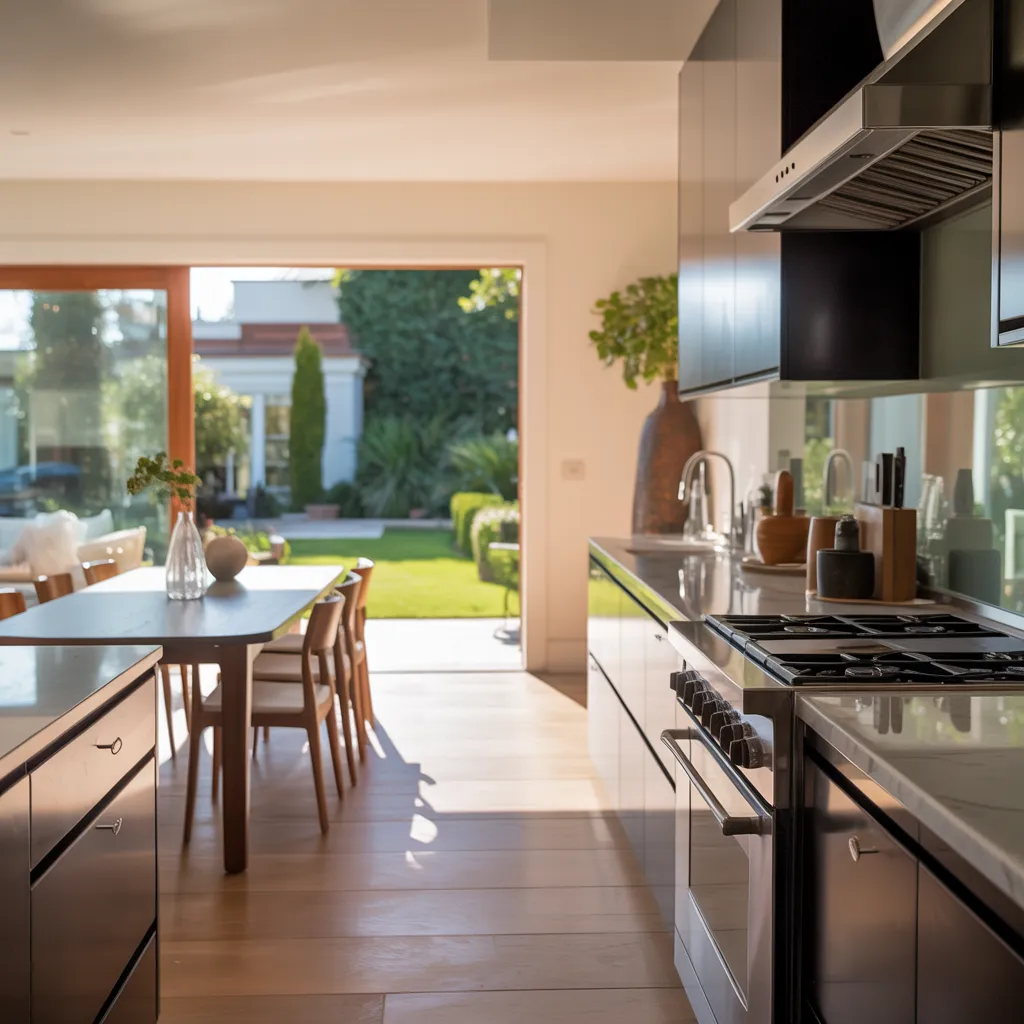
Understanding the Ghanaian Real Estate Market
Ghana's property market demonstrates a vibrant landscape influenced by diverse economic and social elements. Accelerated urbanization and population increases have markedly elevated the need for residential properties, particularly in major cities like Accra and Kumasi. Additionally, a growing middle class has fostered a shift in consumer preferences towards modern amenities and gated communities. The sector is distinguished by a blend of conventional and modern residential choices, serving varied purchaser requirements.
Overseas investment has similarly performed an essential function, with foreign nationals looking for real estate in sought-after neighborhoods. However, potential buyers must navigate obstacles including fluctuating property prices and different degrees of infrastructure development. Legal structures may be intricate, typically necessitating due diligence to guarantee compliance. Overall, comprehending the complexities of the Ghanaian real estate sector is vital for future real estate investors, furnishing them with the knowledge to make informed decisions in this vibrant market.
Establishing Your Budget and Funding Choices
Moving through the Ghanaian real estate market necessitates a thorough understanding of budget limitations and financing options. Property purchasers must first evaluate their financial situation, factoring in income, savings, and any existing debts. Setting a realistic budget is vital, as it will determine the price range for potential properties.
Financial options in Ghana include conventional bank loans, which typically require a down payment of 10-30%. Additionally, some buyers may consider microfinance organizations or cooperative societies that offer more accommodating terms.
It is vital to recognize the rate of interest and conditions associated with these loans, as they can significantly impact the overall cost of buying a home. Homebuyers should also examine government housing programs or schemes that can supply assistance. Finally, a well-defined budget and well-researched financing selections can facilitate a successful property acquisition in Ghana.
In Search of Your Ideal Property
As future property owners examine the procedure of looking for their dream home in Ghana, they should assess different aspects that correspond with their necessities and choices. To begin with, location serves a critical function; it influences daily commutes, access to amenities, and overall lifestyle. Metropolitan regions may present practicality, while village surroundings can offer serenity.
After this, prospective purchasers should evaluate property types, including detached houses, apartments, or tracts for future development. Each option has distinct benefits and downsides that suit different lifestyles and budgets.
In addition, aspiring homeowners should research market trends in their preferred areas, as property values can shift. Engaging local real estate agents can deliver valuable information and streamline the search process. Finally, it is important to develop a list of must-haves, such as the number of bedrooms or outdoor space, to efficiently refine options and find a property that truly fulfills their expectations.
Legal Considerations and Due Diligence
Managing the legal landscape is vital for anyone considering purchasing a house in Ghana. Home purchasers must first confirm that the property has a clear title, free from disputes or encumbrances. Engaging a qualified lawyer knowledgeable in Ghanaian property law is advisable to conduct due diligence, which includes verifying ownership and assessing any existing liabilities.
Purchasers must also verify for necessary permits and compliance with local regulations, including zoning laws. This process could require obtaining a land title certificate from the Lands Commission, which functions as proof of ownership.
Furthermore, buyers need to watch out for deceptive tactics. Undertaking a comprehensive background check on the seller can reduce potential issues. Knowing the terms of any sale agreement is critical, as it outlines responsibilities and entitlements for both parties. All in all, thorough legal scrutiny helps ensure a effortless transaction and shields the buyer's investment over time.
Finalizing the Purchase and Moving In
When legal aspects are resolved, the next step entails finalizing the purchase and preparing for the move. Purchasers should ensure that all financial commitments, such as the down payment and closing costs, are settled with the seller. It is essential to obtain a copy of the discover more signed sales agreement and to confirm that the title deed is transferred correctly into the homebuyer's name.
Additionally, buyers should plan a final walkthrough of the property to confirm that it is in the mutually agreed-upon condition. Once everything is in order, homeowners can begin planning their move. This includes securing the services of a reputable moving company, arranging for utilities to be connected, and notifying relevant parties about the new address.
Finally, establishing a timeline for moving in can help enable a smooth changeover into the new home, confirming that all essential preparations are completed smoothly.
FAQ
Which Property Types Are Available in Ghana?
Throughout Ghana, typical property types include standalone residences, apartments, townhouses, and commercial properties. Moreover, luxury estates and development plots for development are increasingly popular among both local and foreign buyers looking for investment opportunities.
What Is the Typical Duration of the House Buying Process?
The house purchasing journey in Ghana usually takes between 2 to 6 months. This timeframe varies based on variables like property type, financing arrangements, and the proficiency of legal and administrative procedures involved.
Is There a Property Tax System for Homeowners in Ghana?
Property taxes apply to homeowners in Ghana. The tax rates vary based on the property's location and value. It's crucial that homeowners comprehend their responsibilities and allocate funds appropriately for such expenses.
Can Foreigners Buy Property in Ghana?
Non-citizens can invest in property in Ghana, typically through a leasehold system for up to 99 years. That said, compliance with specific regulations is mandatory and could necessitate governmental authorization for specific transaction types.
What Are the Typical Maintenance Costs for Homes in Ghana?
Typical maintenance expenditures for homes in Ghana differ, generally ranging from 1% to 3% of the property's value per year. Costs include fixing issues, utilities, landscaping, and occasional renovations, influencing overall homeownership budgets substantially.